
Overview
As electronic warfare (EW) and radar systems shift to more agile, adaptive, wideband signals, traditional lab equipment is becoming insufficient for receiver and processing performance validation. At the same time, open-air range testing faces spectrum congestion, limited access to modern threats, and growing restrictions on transmitting advanced waveforms.
With modern FPGA-enhanced systems, developers now have greater access to validate systems against realistic threat conditions while maintaining repeatability required for engineering verification. High-bandwidth record, playback, and analysis allow users to capture or synthesize RF environments, replay them deterministically, and iterate directly between signal processing algorithms and physical hardware.
This webinar will demonstrate:
- How high-bandwidth, bi-directional data streaming enables hardware-in-the-loop workflows for EW receivers, radar processing chains, and RF sensing systems.
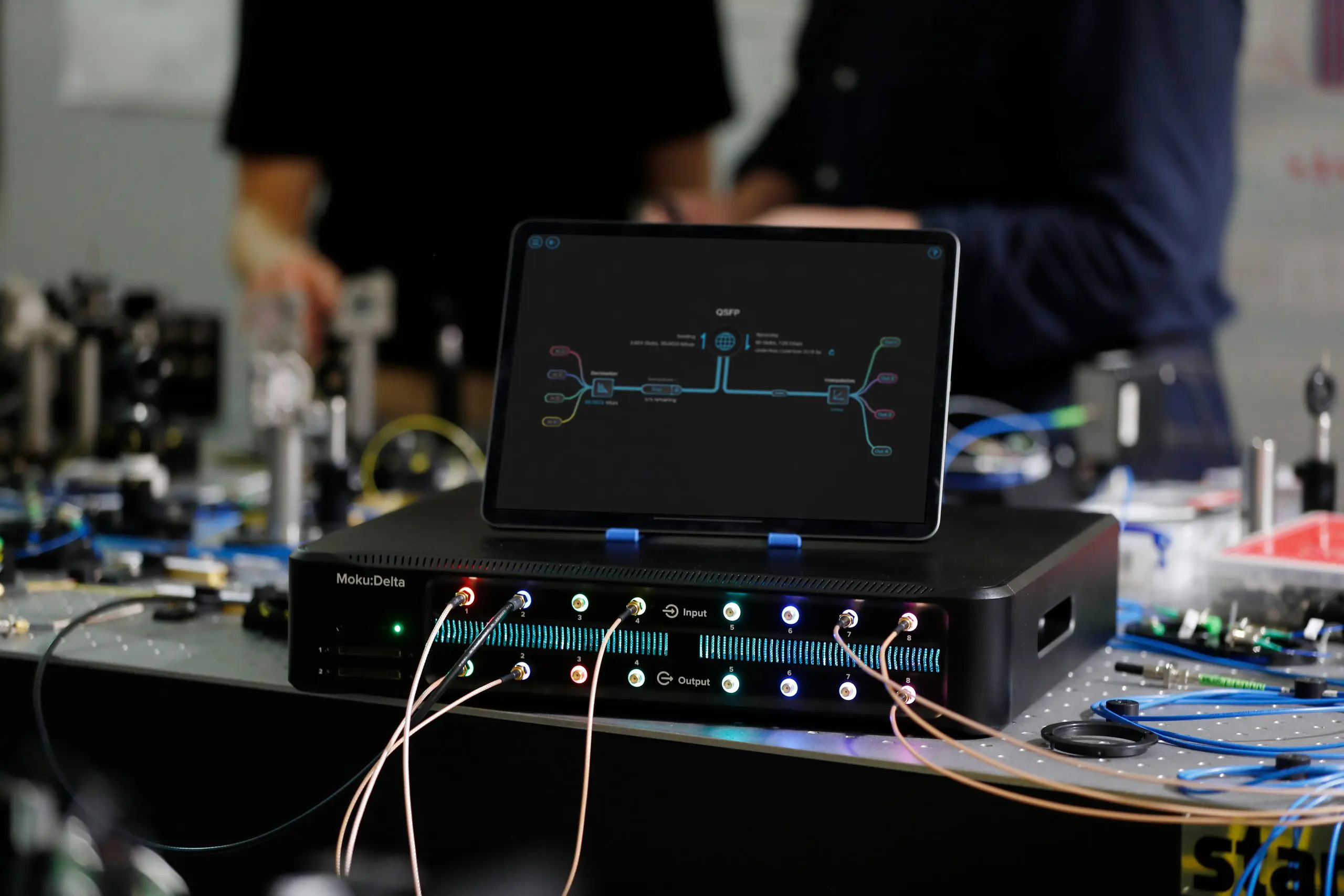
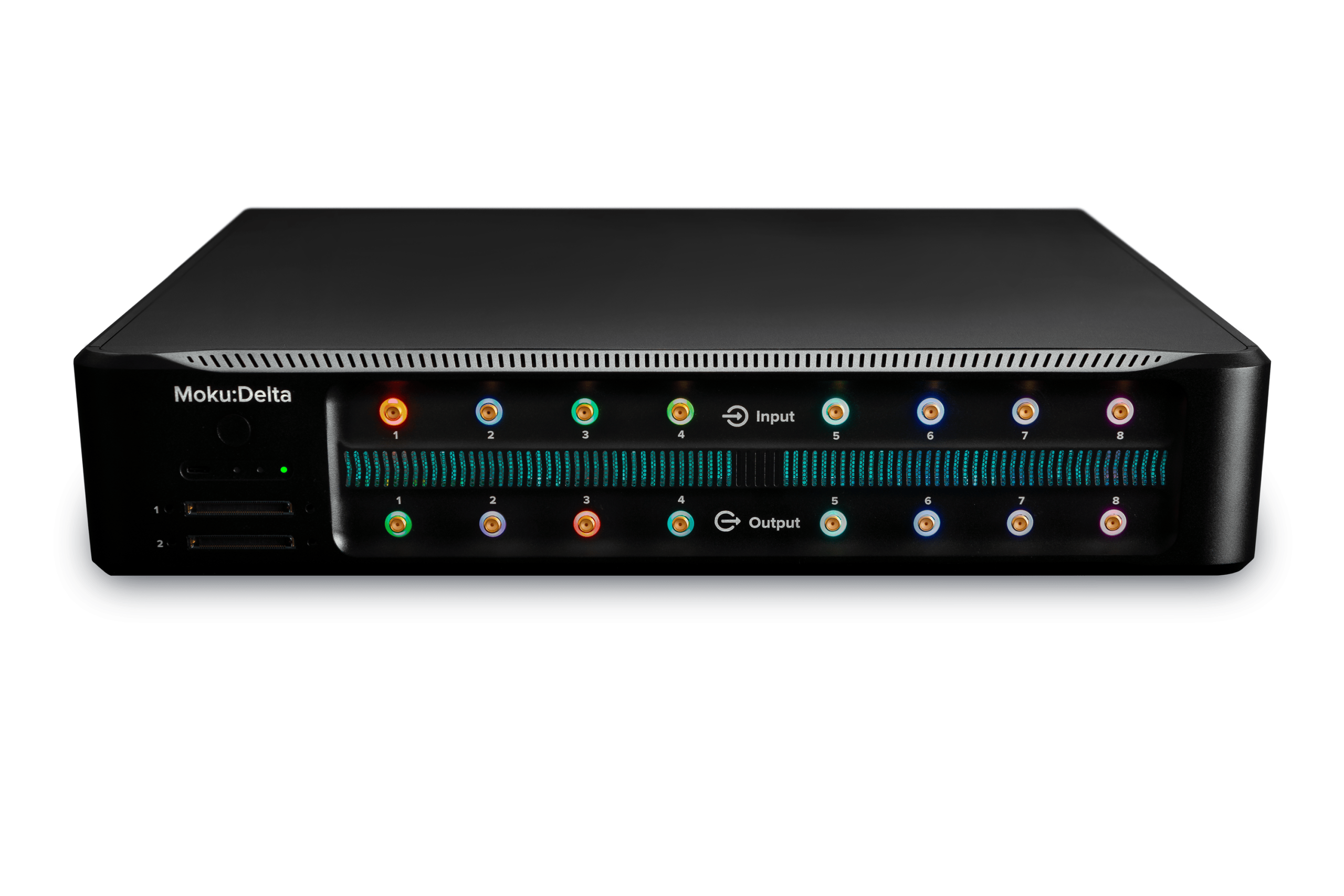
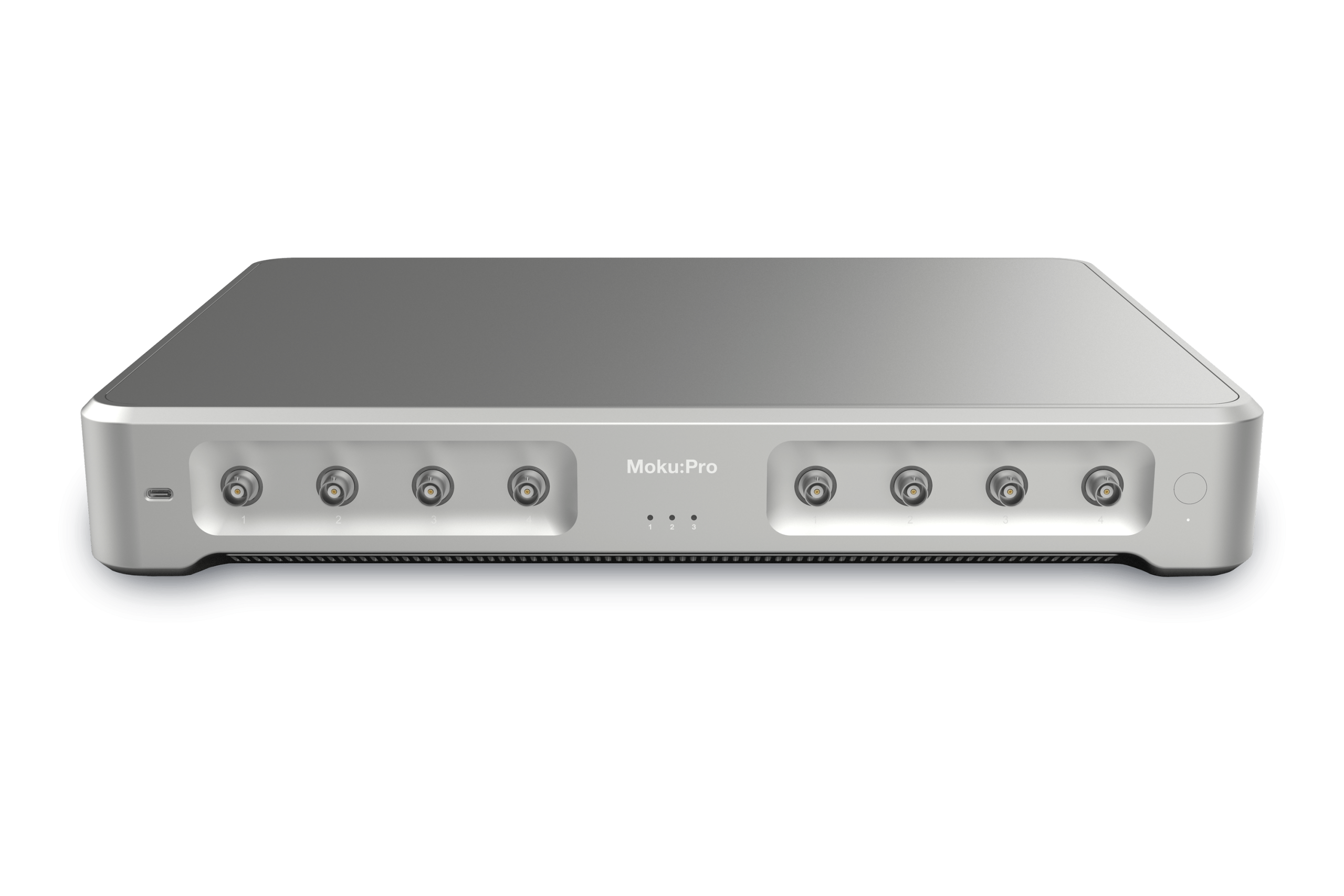
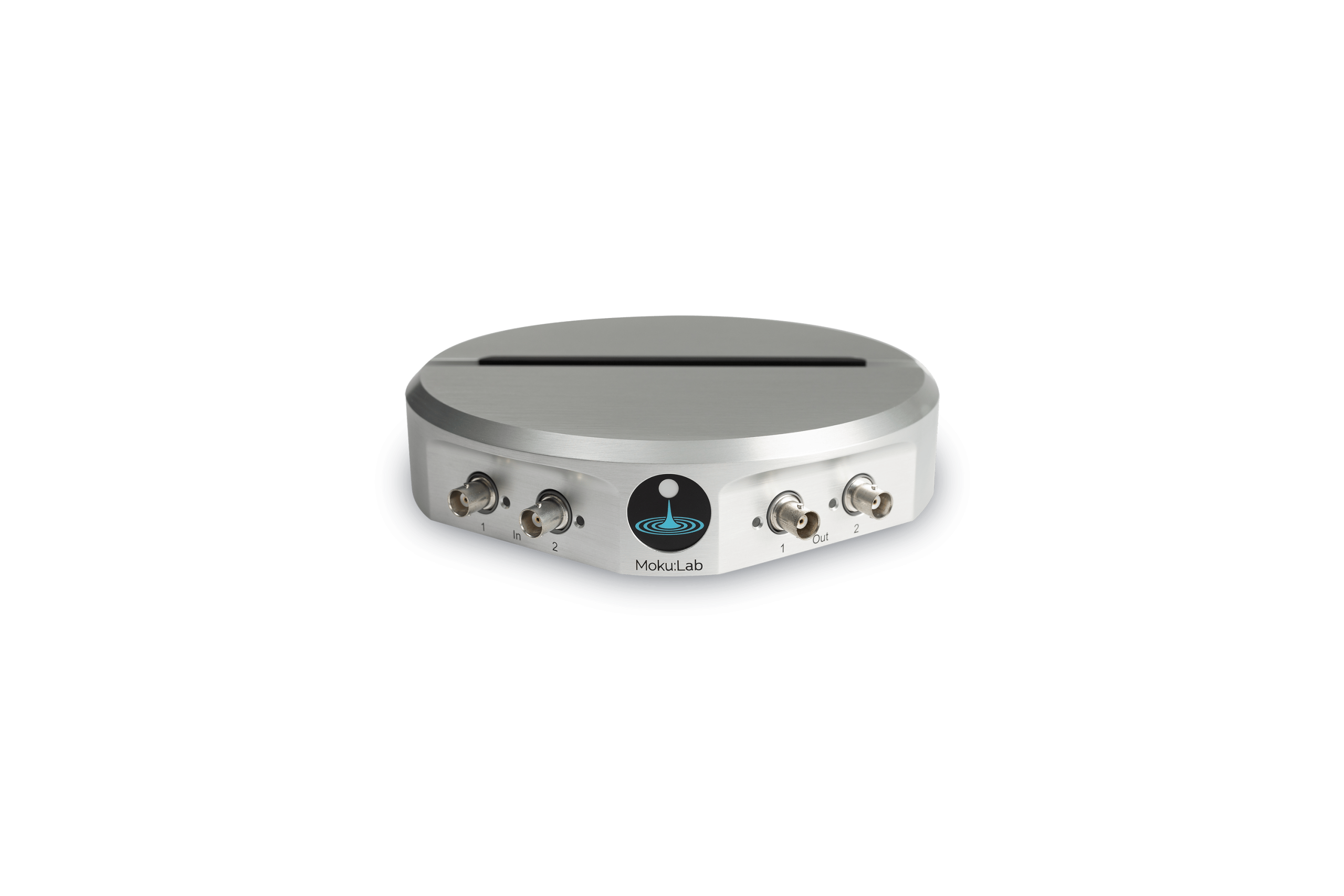
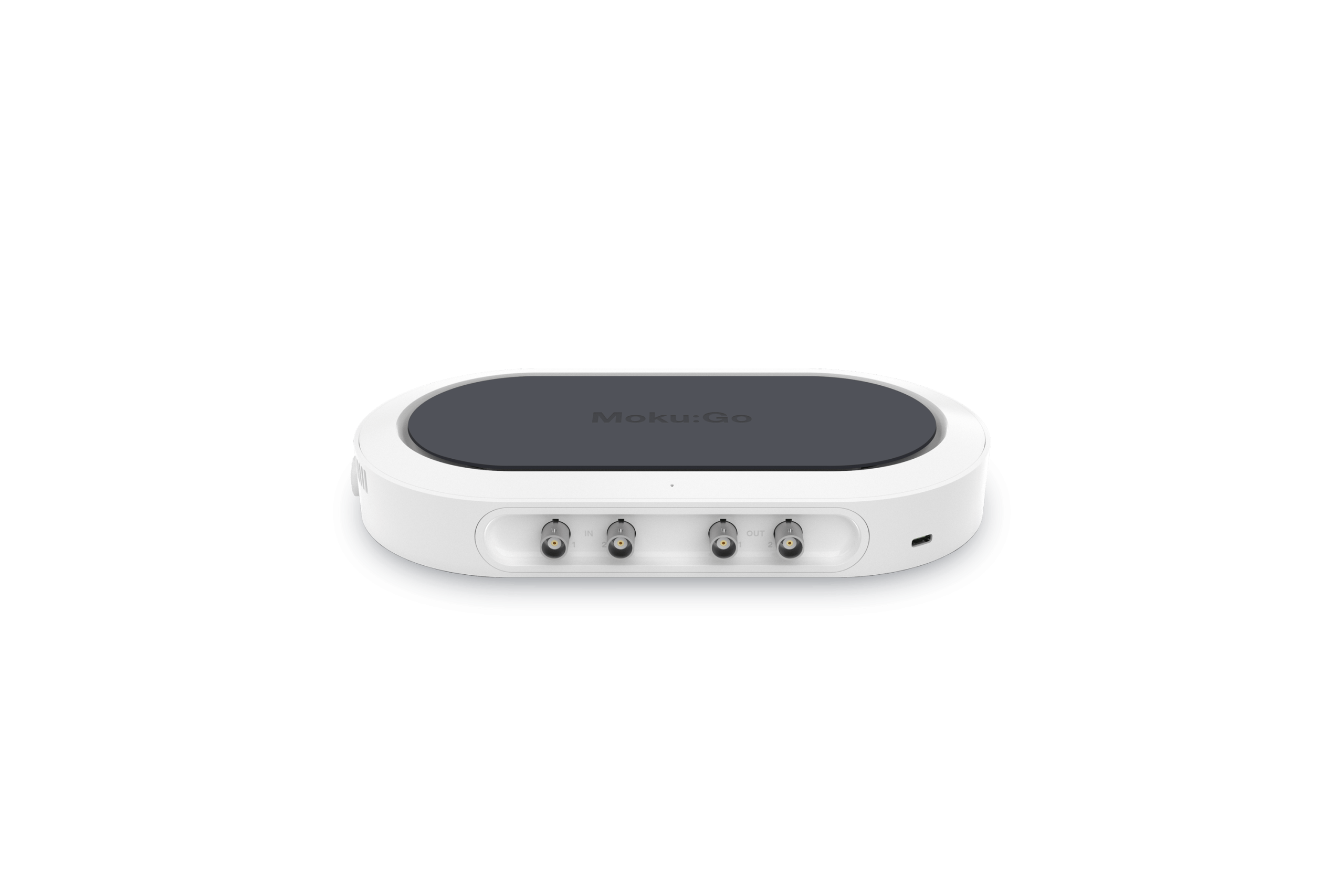
- Using Moku:Delta and the Gigabit Streamer to generate, capture, modify, and replay realistic signal environments.
- Using recorded datasets for repeatability across test runs, allowing precise comparison of algorithm changes, receiver tuning, or countermeasure effectiveness.
Participants will leave with a practical understanding of how high-speed record and playback can be used for receiver characterization, jammer testing, radar processing evaluation, and rapid prototyping of RF signal processing systems and effects.
Date: March 25, 2026
Speaker: Brian Neff, Ph. D.
Aerospace and Defense Technical Engineer,
Liquid Instruments