
Please update your browser. For the best Liquid Instruments experience, update to the latest version of Chrome, Edge, Firefox, or Safari. Update Microsoft Edge.
Liquid Instruments Logo
Products
Hardware Platforms
Moku:Delta
Moku:Delta
New
For advanced design and validation
Moku:Pro
Moku:ProFor versatile test and measurement
Moku:Lab
Moku:LabFor experimental research labs
Moku:Go
Moku:GoFor quick testing and debugging
Compare Hardware
Compare HardwareView a side-by-side of all Moku hardware
Technologies
GenInst Studio
New
Generate personalized instruments
Integrated InstrumentsProfessional-grade instruments at your fingertips
Neural NetworkFPGA-powered neural network integration
Multi-Instrument ModeCombine instruments to create a customized test system
Moku CompileCode, compile, and deploy to your Moku's FPGA
Software
MokuOSDownload the Moku app for Windows, macOS, iPadOS & visionOS
APIsPython, MATLAB, LabVIEW
UtilitiesCommand line and graphical tools for file conversion
Instruments
Analysis
Oscilloscope
Spectrum Analyzer
Frequency Response Analyzer
Lock-in Amplifier
Phasemeter
Logic Analyzer / Pattern Generator
Time & Frequency Analyzer
Data Logger
Generation
Waveform Generator
Arbitrary Waveform Generator
Control & Conditioning
PID Controller
Digital Filter Box
FIR Filter Builder
Laser Lock Box
Custom & Utility
GenInst Studio
New
Gigabit Streamer
Custom Instrument
Neural Network
Multi-Instrument Mode
Applications
Optics and Photonics
Microscopy and Spectroscopy
Photon Counting
Quantum Optics
Aerospace and defense
A&D Instrumentation
Component Test
Automated Testing
Semiconductor Test
Control Systems and Bode Analysis
MEMS Testing
AI and Machine Learning
Generative Instrumentation
New
Neural Networks
Education
Education and Research
Resources
App Notes
Blog
Case Studies
Coursework
Guides
Product Documentation
Publications
Webinars
White Papers
Support
Company
Contact Us
About Us
Leadership
Partners
News & Updates
Press
Events Calendar
Careers
Store
Moku:Delta
Moku:Pro
Moku:Go
Upgrade Moku:Pro
Upgrade Moku:Lab
Upgrade Moku:Go
0
Get a quote Buy Now
Build personalized instruments with GenInst Studio in minutes, not months. | Register for the webinar
White papers

Using Moku:Lab via USB

A guide to connecting to Moku:Lab without Wi-Fi or Ethernet

July 24, 2019

    There are some situations, for example in a restricted lab environment or for radio interference reasons, where you may wish to use Moku:Lab without Wi-Fi or ethernet. This application note explains how to connect an iPad or PC to Moku:Lab via wired, USB connection. No wireless or wired ethernet network is required.


    Download user manual

    Connecting to an iPad

    Moku:Lab supports USB connections through the micro-USB data port on the rear panel. The required cable depends upon the iPad connection; either Lightning or USB-C.

    iPad with Lightning connector

    To connect Moku:Lab to an iPad via Lightning, you will need both:

    • Lightning to USB Camera Adapter

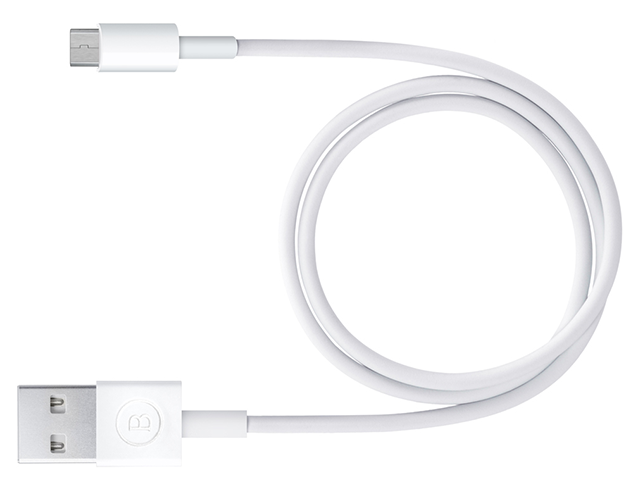
    • AND USB type A to micro B 2.0 cable

    This type of cable is commonly available and often used to charge cell phones.
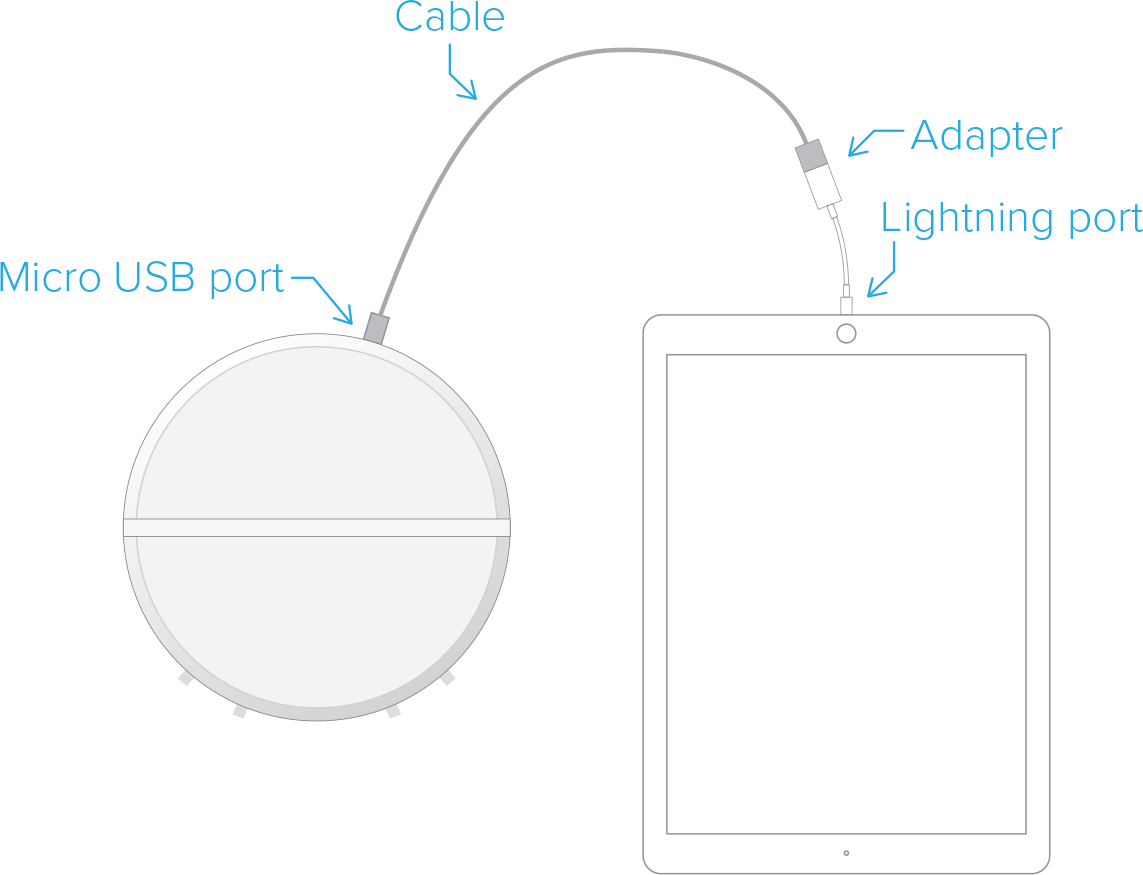
    Physical connection

    iPad with USB-C connector

    To connect Moku:Lab to an iPad via USB-C, you will need:

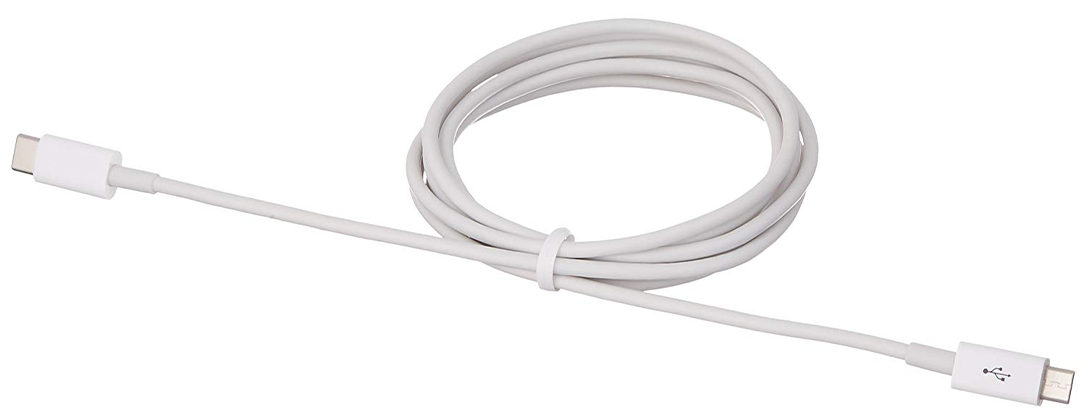
    USB-C to micro B 2.0 cable

    This type of cable is less common but readily available at Amazon and other retailers.
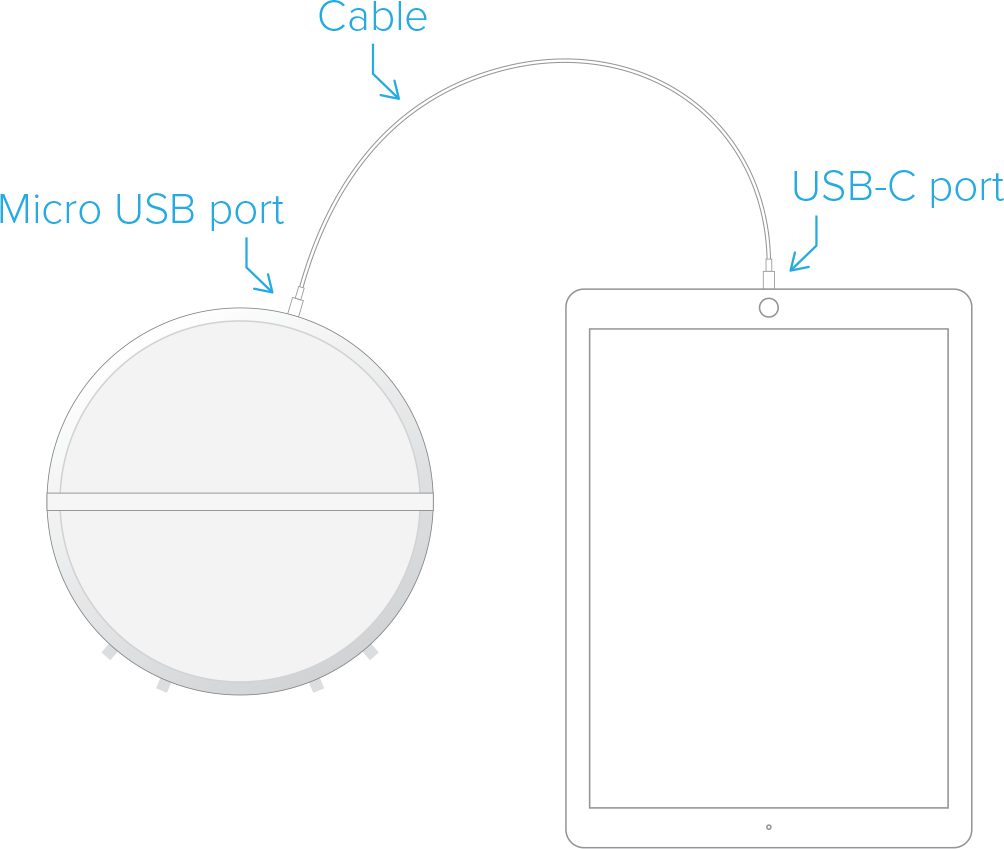
    Physical connection

    Network connection

    Once the iPad is connected to Moku:Lab via USB, the network connection appears as a USB/network connection to the iPad. This can be selected in the “Settings” panel of the iPad. Once selected, launch the Moku:Lab app on the iPad. You should now see your Moku:Lab appear in the ‘Select your device’ menu.


    Connecting to a PC

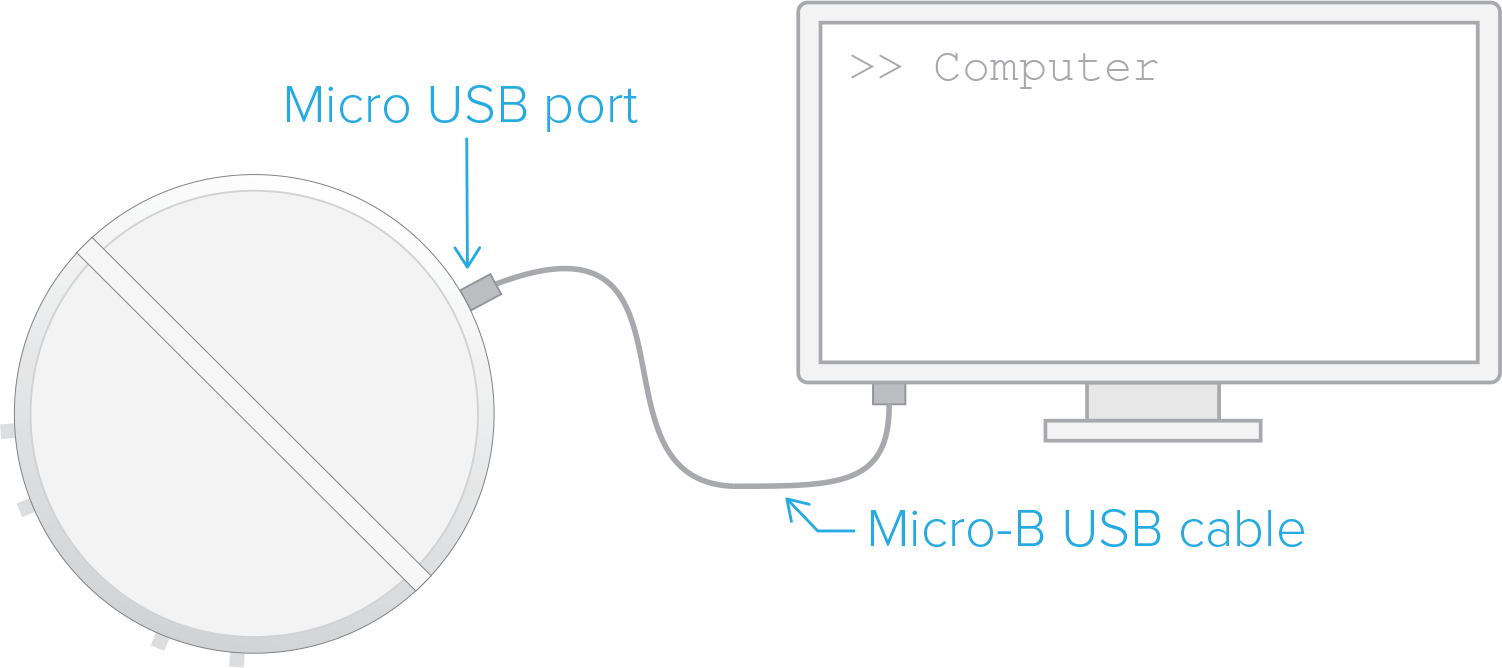
    Moku:Lab supports USB connections through the micro-USB data port on the rear panel.

    What you’ll need

    To connect your Moku:Lab to a PC via USB you will need either a Micro-B to Type A USB cable, or a Micro-B to Type-C cable, depending on your PC.
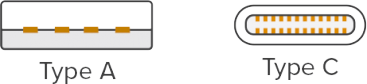
    USB 2.0 Type A to micro B type 2.0 cable

    Most computers have come with at least one USB Type A port and will support a connection using a standard USB Type A to USB micro B 2.0 cable.


    USB-C to micro B type 2.0 cable

    Recent computers often come with USB Type C ports. If so, you will need a USB-C to USB micro B 2.0 cable:

    Physical connection

    When you have access to an appropriate micro USB cable, make the connection from the PC to the Moku:Lab.

    Network connection

    Once you’ve connected the PC to Moku:Lab, you will need to enable the appropriate network adaptor in the PC’s host operating system:

    MacOS: select the USB/LAN RNDIS network adaptor in System Preferences -> Network

    Windows: select the USB Ethernet/RNDIS under Control Panel -> Network and Internet -> Network Connections.


    Have questions or comments?

    Contact us


    Try Moku in demo mode Download the Moku app → Get answers to FAQs Visit Knowledge Base → Connect with Moku users Join the user forum →

    Other Recommended White papers

    White papers
    Building advanced triggers for test using AI-enabled tools

    Compressing weeks of custom development and replacing fixed Oscilloscope trigger modes with Generative Instrumentation

    Date: July 14, 2026

    White papers
    Scaling parallel device testing with Python and FPGA-based tools

    How combining software flexibility with hardware determinism increases test throughput and reliability in R&D and production

    Featuring: Moku:Delta, Spectrum Analyzer, Oscilloscope, Python

    White papers
    Visualizing and characterizing qubit states in quantum systems

    Learn about the representing qubit states with the Bloch sphere, along with common pulse sequences and tips for implementation with Moku

    Featuring: Arbitrary Waveform Generator, Lock-in Amplifier, Moku:Delta, Moku:Pro

    Date: August 6th, 2025

    Back to all White papers

    Nav

    • Products
    • Instruments
    • Resources
    • Support
    • Company
    • Contact Us
    • Privacy Policy
    • Terms of Use

    Offices

    United States
    (619) 332-6230
    12526 High Bluff Dr.
    Suite 150
    San Diego, CA 92130

    Australia
    +61 2 6171 9730
    243 Northbourne Avenue
    Suite 1, Level 1
    Lyneham, ACT 2602

    Australia
    +61 3 7073 3594
    Suite 5C, Level 5,
    700 Swanston Street,
    Carlton, VIC – 3058


    Follow us

    LinkedIn YouTube X Facebook Instagram

    官方微信

    © 2026 Liquid Instruments. All rights reserved.