


Modern engineering systems have become increasingly specialized, but most test and measurement equipment remains fundamentally general-purpose. Typical instruments like oscilloscopes, spectrum analyzers, and waveform generators have grown over the decades to have a vast array of settings and standard measurements, but features are owned and controlled by the vendor, offering little ability for users to customize themselves. Software environments like MATLAB and Python offer tremendous flexibility to post-process and analyze data offline, but lack the hardware speed and determinism required by many prototyping and testing tasks. Examples where the standard approach falls short might include:
- A custom demodulation scheme for a communications experiment
- A specialized feedback controller for a laboratory setup
- A unique signal-processing chain for sensor characterization
- A measurement that requires functions spread across multiple instruments
When engineers need capabilities beyond what off-the-shelf instruments provide, they often face a choice between accepting compromises or investing significant effort in custom development. If they choose the custom development route, they then must choose between developing FPGA-based solutions, building custom hardware, modifying open-source platforms, or adapting existing instruments as closely as possible to the application. Any of these solutions involve a significant investment in time, effort, and procurement expenses. Recent advances have created an opportunity to rethink how instrumentation is developed. By combining agentic AI with reconfigurable hardware, engineers can create application-specific instruments in a fundamentally different way.
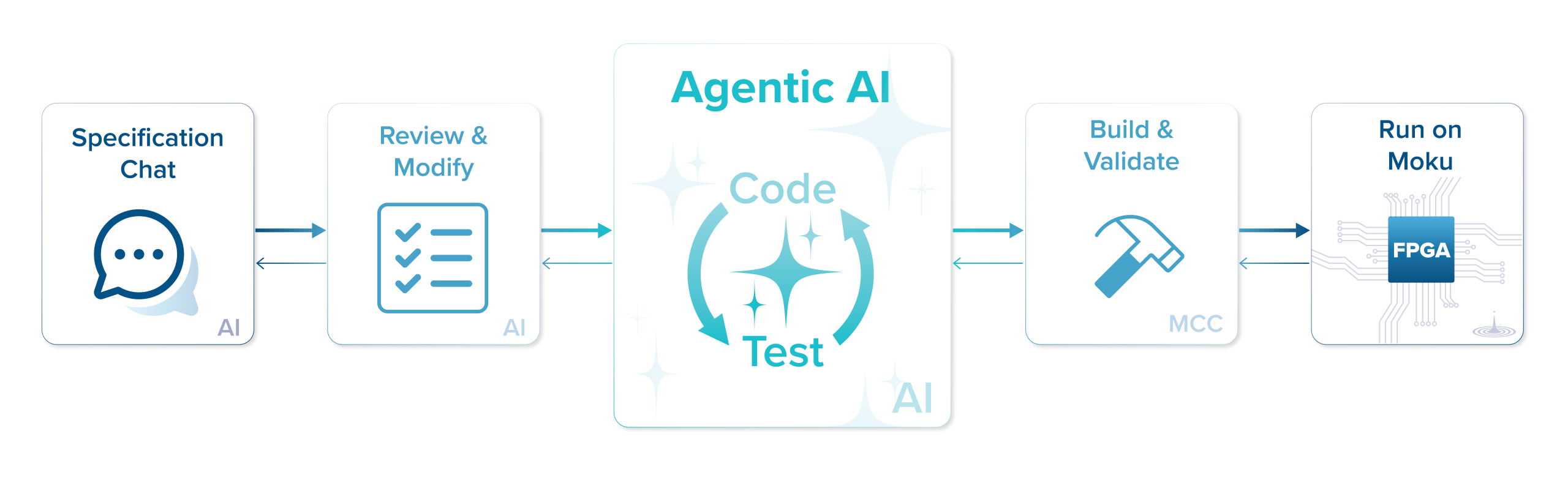
Instead of selecting from fixed-function instruments or writing FPGA code, engineers can now describe the capability they need and have an application-specific instrument created around that task.
Generative Instrumentation explained
Generative Instrumentation is an AI-enabled approach to creating application-specific instruments from engineering requirements. Instead of selecting a predefined instrument architecture, engineers describe the test or functionality they need, and the platform generates, validates, and deploys an instrument tailored to that task.
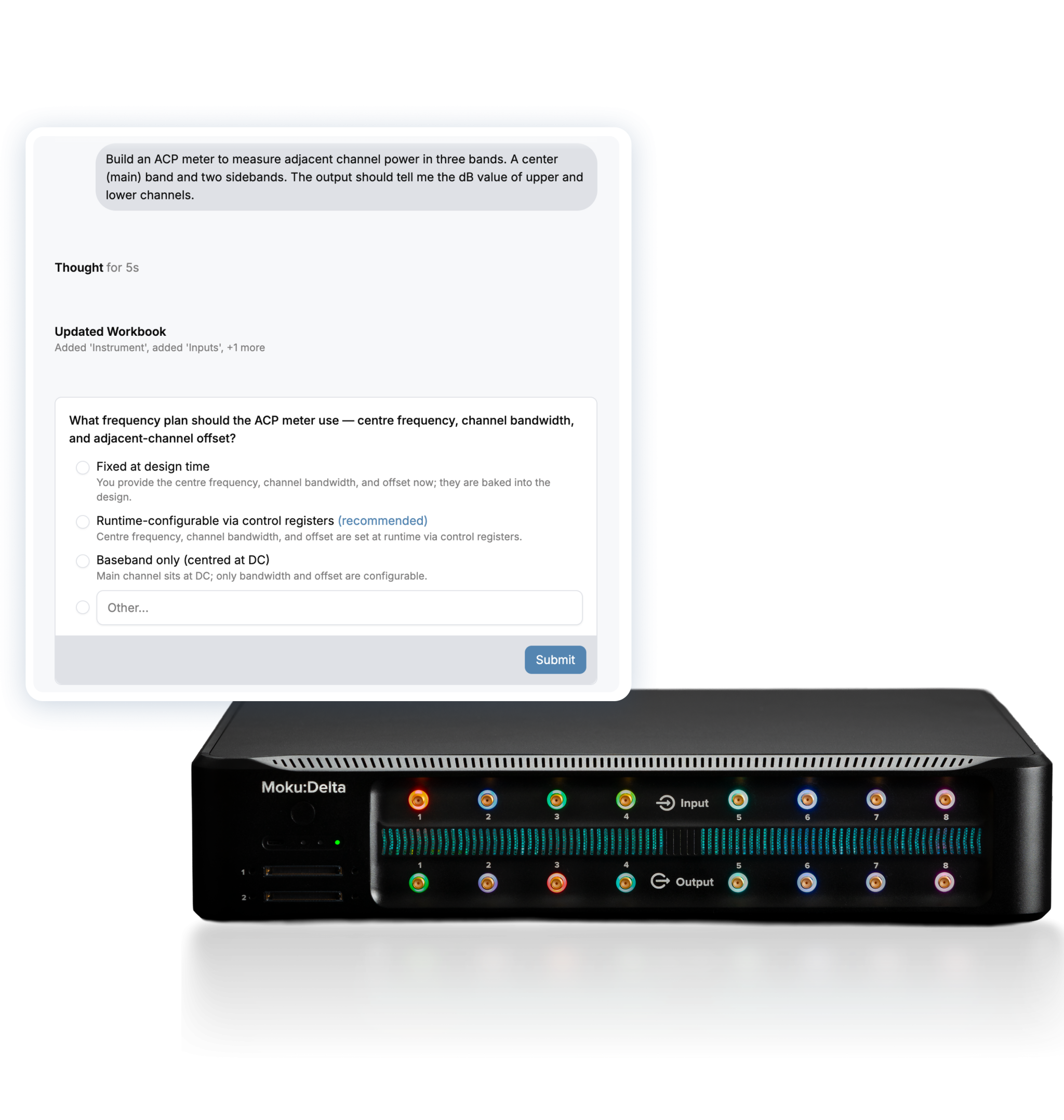
What can Generative Instrumentation build?
With Generative Instrumentation, engineers start with the task they want to accomplish: extracting a signal, stabilizing a system, characterizing a device, or implementing a custom processing chain.
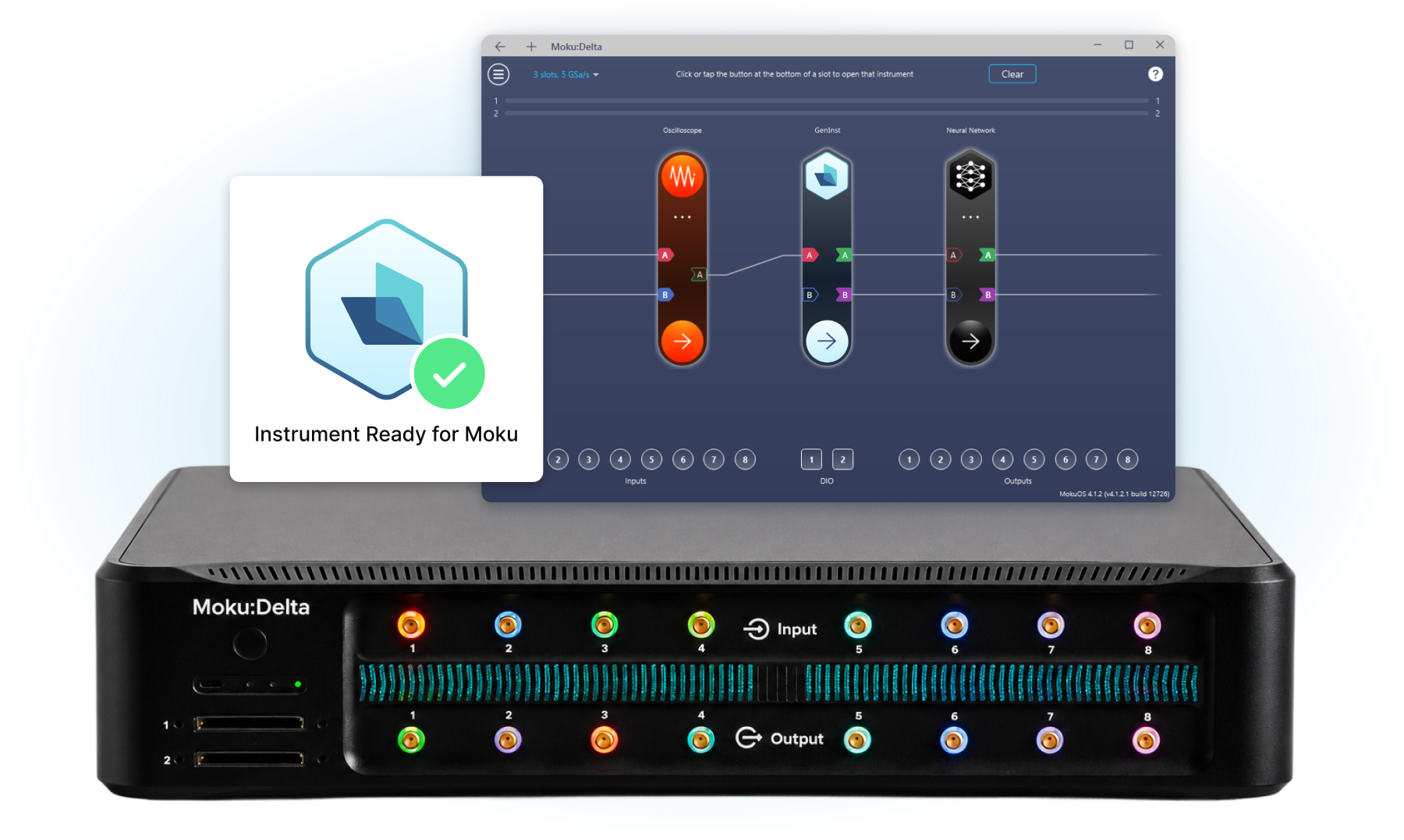
The resulting instrument is tailored to that specific objective. In some cases, this means creating capabilities that do not exist in commercial instruments. The custom functionality can be easily deployed to hardware, ready to connect to a device under test or experiment. It can be integrated with other standard instruments or rapidly reconfigured as requirements change. Rather than purchasing a new instrument for each application, engineers can generate instrumentation that matches the needs of the task at hand.
Where Generative Instrumentation is the most useful
Generative Instrumentation is most valuable when measurements, control systems, or signal-processing workflows require deterministic behavior, real-time processing, or capabilities beyond those available in standard instruments. Historically, solving these problems often required custom FPGA development, specialized hardware expertise, or complex multi-instrument setups. Generative Instrumentation makes these types of application-specific systems more accessible by allowing engineers to generate instrumentation around the task they are trying to accomplish. Some common examples include:
Custom signal processing
- Custom demodulation schemes
- Intermittent event detection
- Signal conditioning and preprocessing
Custom control systems and feedback loops
- Control systems with unique parameters
- Experimental control systems
- Laser stabilization systems
Application-specific measurement systems
- RF characterization and communications systems
- Sensor evaluation and test
- Quantum and atomic physics research
Hybrid instruments
One of the most powerful aspects of reconfigurable measurement hardware is the ability to create instrumentation for a specific task and then reconfigure that same hardware for the next one. A single platform might serve as:
- A custom demodulator for one project
- A closed-loop control system for another
- A specialized measurement instrument for a third
How to use Generative Instrumentation
While Generative Instrumentation describes a broader approach to instrumentation design, GenInst Studio is the first platform built specifically around this technology.
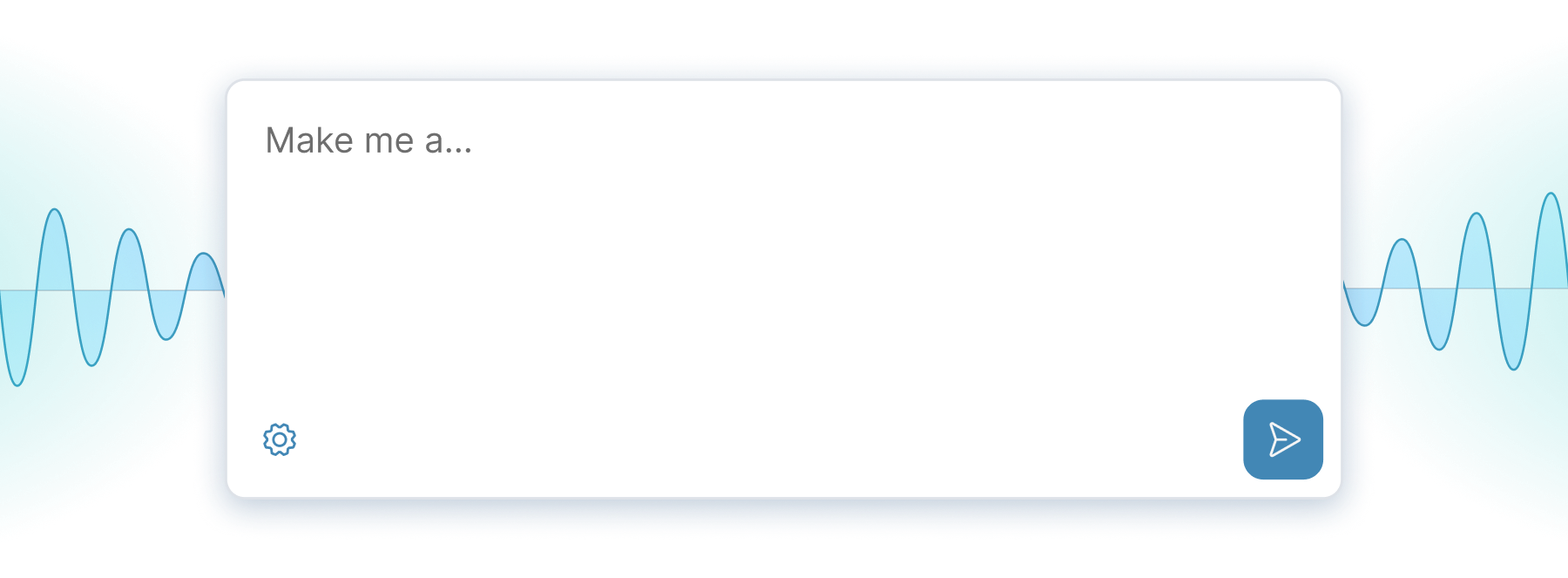
Engineers begin by describing the functionality they want to create. Through a guided specification process, GenInst Studio develops an implementation plan, validation strategy, and testbench before generating the instrument itself.
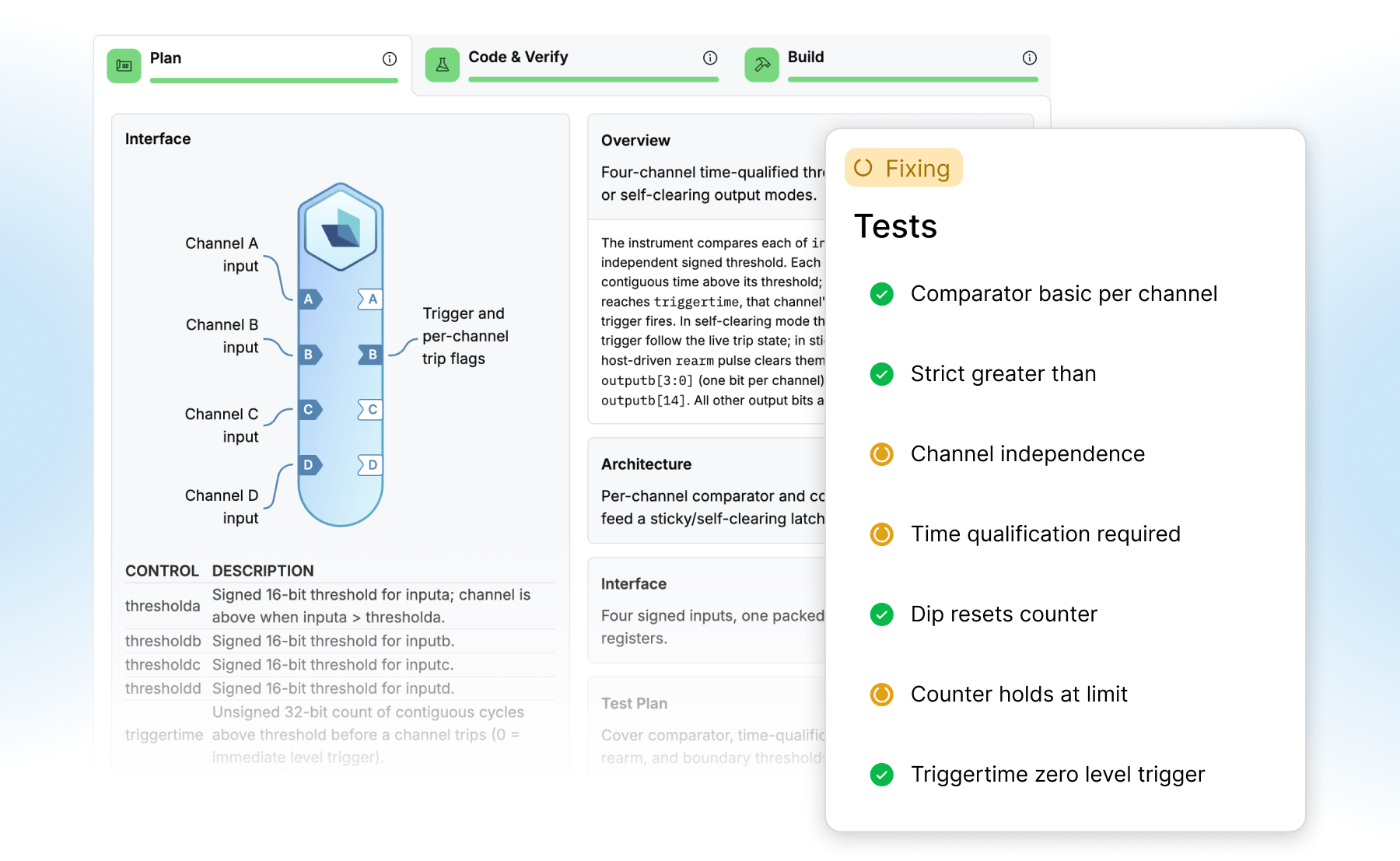
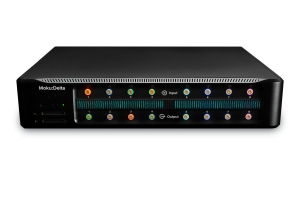
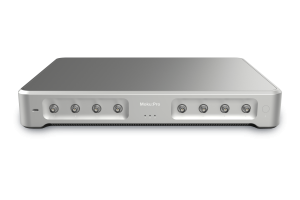
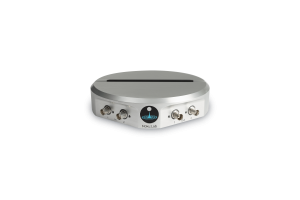
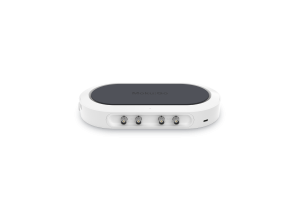
Once the user is ready to proceed with the plan, GenInst Studio designs, tests, iterates on, and builds the instrument. From there, the user downloads and deploys their instrument on any Moku device to begin testing.
Looking ahead
The history of test and measurement can be viewed as a progression toward increasing abstraction. Engineers moved from discrete analog circuits to digital instrumentation. Digital instrumentation evolved into software-defined platforms. Reconfigurable hardware made it possible to deploy new instrument architectures without designing new electronics. Generative Instrumentation builds on those developments by making application-specific instrumentation practical whenever an engineering challenge demands it. By combining agentic AI with reconfigurable hardware, engineers can increasingly create instrumentation tailored to the task at hand. To try GenInst Studio, sign up here for a free trial. To walk through it with one of our engineers, schedule time here.