


The Australian Synchrotron produces powerful beams of light known as beamlines by accelerating electrons up to the speed of light. When these electrons turn, they release high-energy X-rays that can then be used to perform research on a vast array of experiments from medical and food research to advanced material and nanotechnology experiments. With such a wide variety of research areas, the Australian Synchrotron must control and communicate with a significant number of test instruments. The Experimental Physics and Industrial Control System, or EPICS, is a public, open-source project created through collaboration between many of the world’s most prestigious scientific facilities for large-scale distributed control system applications. All test instrumentation within the Australian Synchrotron facility must be controllable through their existing EPICS infrastructure to enable efficient, precise equipment management. Brett Alda, a senior controls engineer at the Australian Synchrotron, who had heard about the capability of Moku devices, has volunteered his own time to develop a software EPICS driver to control Liquid Instruments’ FPGA-based Moku devices using the readily available Python API, an approach that will help researchers across the globe integrate the reconfigurable suite of Moku instruments into their EPICS infrastructures. With support from the Synchrotron Science team and management, the Moku device can be seen at the test station in Figure 1.
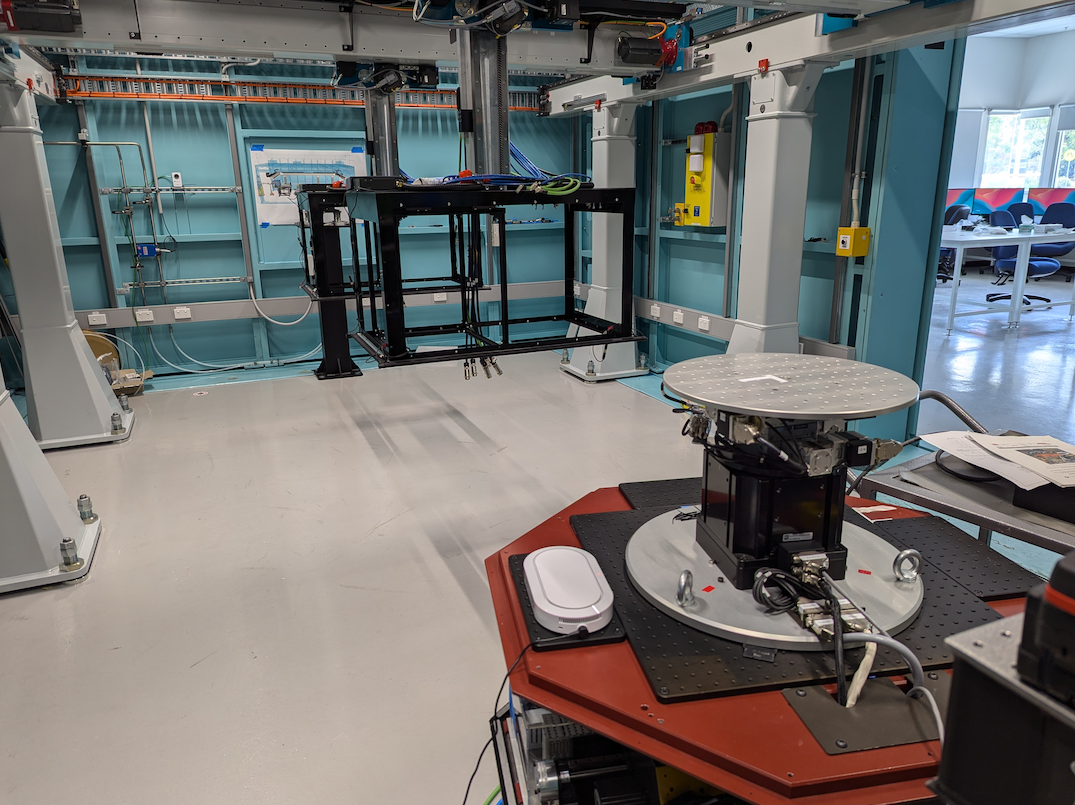
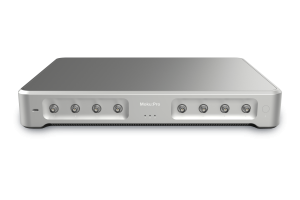
Figure 1: Moku device set up on ADS1sample goniometer at the Australian Synchrotron, where it will take measurements such as strain, temperature, or charge of samples. The X-ray detectors will capture the diffraction patterns produced by the x-rays interacting with the sample.Moku:Pro is an FPGA-based device that offers a suite of reconfigurable instruments, from essentials like an Oscilloscope and Spectrum Analyzer to advanced optics instrumentation like a Lock-in Amplifier and Laser Lock Box.
The challenge
The Australian Synchrotron serves the needs of many researchers from a variety of fields in a single facility. It houses a wide range of equipment, and researchers have to be able to access and control everything from the EPICS interface. While EPICS is well-known in the physics community, many test instruments on the market do not have existing EPICS drivers, making them a risk for projects undertaken at the Synchrotron. This limitation often means Brett and his team must prefer equipment with existing EPICS support, even when new equipment may better serve the unique test and measurement requirements of their diverse users, since writing a driver for a new instrument can be time consuming and difficult. With 14 beamlines available for researchers and four more in the works, they needed new equipment that could be easily controlled and monitored from the EPICS interface, while also delivering the flexibility required to support the ever-evolving, cutting-edge needs of Synchrotron users. “We need something that’s more adaptable to suit the broadest range of requirements,” Brett said. In addition to the unique and varying requirements of their users, the Australian Synchrotron works with extremely powerful beams in a radiation environment. Researchers must often balance tradeoffs between placing their equipment outside the radioactive area with long cables that introduce delays and reduce performance, or shielding the equipment from radiation and placing it close to their experiments.
The solution
Within just a few working sessions, Brett leveraged the Moku Python API to integrate Moku:Pro into their existing control infrastructure, with verification signals shown in Figure 2. To implement Python/EPICS communications, Brett used pyDevSup.
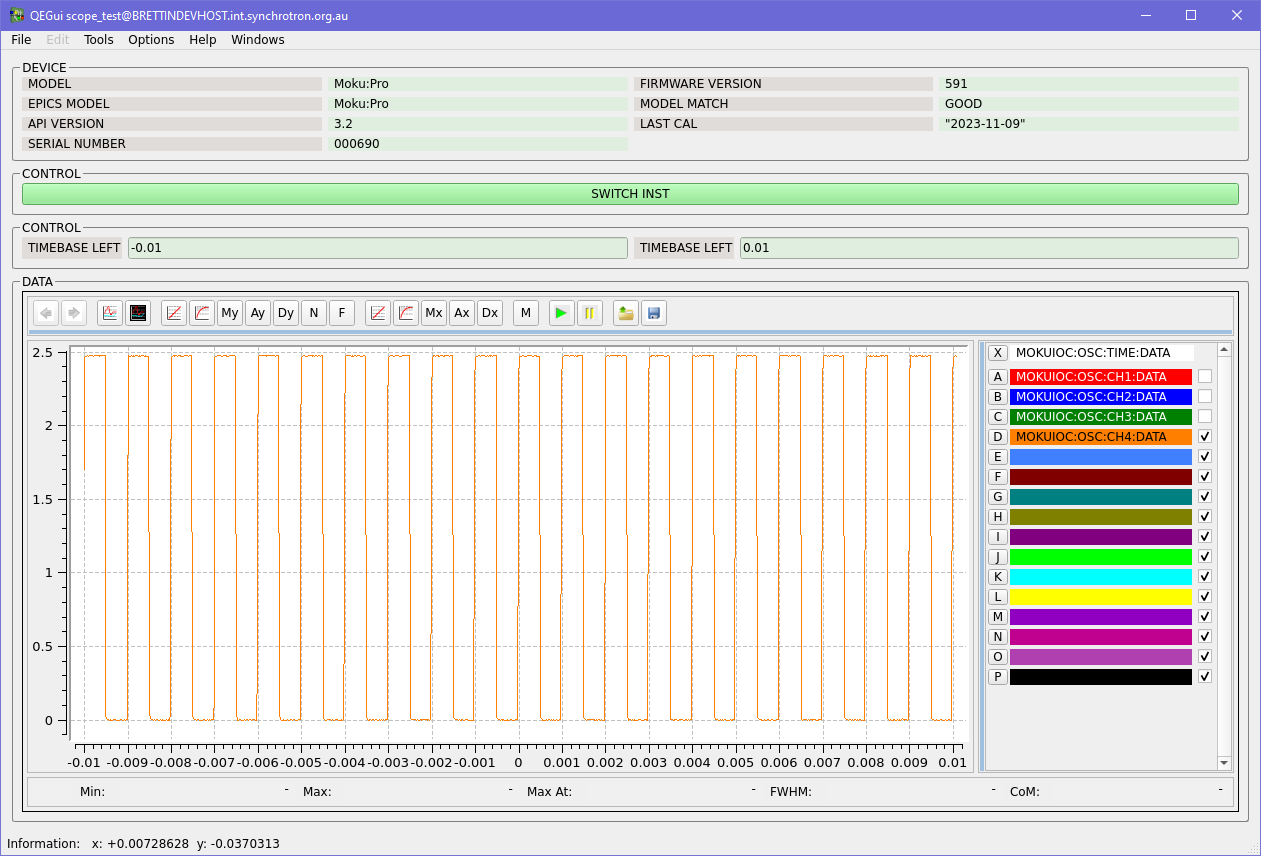
Figure 2: Verification of data from the Moku:Pro Oscilloscope through the QtEpics GUI“It didn’t take much of my time to implement a basic framework,” he said. “In terms of setting it up to change parameters and capture data, it was pretty straightforward.” In an environment where versatility and reconfigurability are essential, Moku helps serve the unpredictable and varying needs of researchers on the leading edge of science. Due to its flexible, FPGA-based architecture, Moku meets the needs of researchers performing spectroscopy experiments at high logging speeds, those who conduct diffraction experiments at lower resolutions, and many more. More work is required in the driver to control of all of the parameters across all of the instruments, but with the framework showing that the device can be integrated with EPICS, and the ease that the API lets us develop with, means that the team can use devices from the Moku range without the risk that they won’t integrate with the rest of the system.
The result
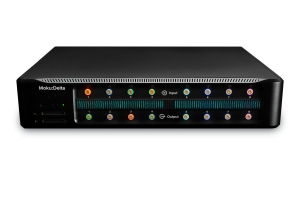
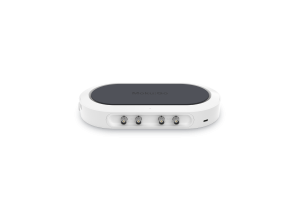
The ease of using the Moku API allows for seamless integration of Moku into the existing EPICS framework used within the facility. This will enable researchers to capture analog measurements in a wide range of experiments. Whether researchers are capturing analog measurements from strain gauges, temperature sensors, photodetectors, or other sensors, the integration of Moku with EPICS has enabled fast, synchronized data recording to aid in countless experiments. In addition to efficient and flexible instrument control, Brett plans to integrate Moku:Go into sensitive, radioactive environments as a cost-effective, compact test system to easily capture data in hazardous environments. “Having a unit that’s quite small but also quite powerful is a nice thing for us to have,” Brett said. “It’s a good value for the money.” By pairing their extensive EPICS database with the flexibility of Moku APIs, the team at the Australian Synchrotron have shown how they can quickly integrate Moku devices into their facility. Brett plans to continue developing the driver and share his efforts with the EPICS community and contribute back to the project to help others use EPICS to control Moku devices. In the future, Brett plans to expand Moku use cases to explore niche applications, such as using the Moku Time & Frequency Analyzer to assess beamline performance.
Questions?
Get answers to FAQs in our Knowledge Base
If you have a question about a device feature or instrument function, check out our extensive Knowledge Base to find the answers you’re looking for. You can also quickly see popular articles and refine your search by product or topic.
Join our User Forum to stay connected
Want to request a new feature? Have a support tip to share? From use case examples to new feature announcements and more, the User Forum is your one-stop shop for product updates, as well as connection to Liquid Instruments and our global user community.